Adsense

Showing posts with label india. Show all posts

Saturday, March 19, 2022

WHICH FOODS TO EAT DURING TREKKING OR BIKING EXCURSION.


WHICH FOODS TO EAT DURING TREKKING OR BIKING EXCURSION.


Choosing the right food to bring on a trek can help you feel great to tackle any trail,  whether you are for a short trek or planning for a long trekking or biking excursion. The best foods to eat while trekking will serve as fuel that gets you started, keep you going and help you recover after a strenuous hiking or biking trip.

While planning food for long treks, look for light weight, filling and nutritious snacks and meals to power you through even the most challenging treks. Go for foods those help you feel full without weighing you down. Fatty or sugary foods can make you crash or make you feel lethargic, instead choose foods with complex carbohydrates and proteins for energy that lasts all day long. When you begin your day with a healthy and protein-packed meal, you will be able to power through a long day trek by enjoying small healthy snacks every few hours.


Planning food for day trek :


Should focus on lasting energy. The best foods for hiking will be nutrient-dense and provide lasting energy, rather than sugars that only offer a quick boost of energy, choose proteins, complex carbohydrates and healthy fats that are digested more slowly and release a steady supply of energy.


Select something fresh. During a trek, you are not limited to non-perishable foods as you may be on a multi-day treks. Bring along fresh fruits or vegetables as well as cheese for a fast and refreshing trail snack or enjoy your favourite sandwich for lunch.


Stay hydrated. Drink water before your hike and pack enough water to last the entire day. Remember to drink water even if you do not feel thirsty, especially on hotter days. Staying hydrated will also keep you energised and feeling great.


Bring little extra. Determine how much food and water to pack based on how long and how strenuous the trek is and then pack a little bit extra. You will be exerting energy all day, so be prepared with enough water and snacks to keep your body fueled.


Planning food for a multi-day trek :


When you plan a multi-day trekking trip, choosing compact and lightweight trekking foods is even more critical. When you are covering miles of trails each day, every bit of additional weight in your backpack makes a difference. You will want to choose foods that is also vital for powering through long or challenging trekking trips. The best food for long treks will be lightweight, small, easy-to-eat and healthy.


Choose lightweight foods. Light and compact foods, such as dehydrated or freez-dried meals or other dry foods and snacks. Repackage bulky products into plastic baggies to further save space in your backpack.


Pack the right amount. This should be based on how many calories  you will burn each day (estimated) by considering your body weight, the weight of your backpack, how challenging the trek will be and how long you plan to trek each day. If you want to maintain your weight while trekking, pack enough food to make up all the calories you burn each day. However, you should always pack a little bit extra in case you get behind schedule and are on the trail longer than expected. If you are trekking in cold weather, your body will also need more calories to stay warm.


Focus on good nutrition. Choose high-protein foods and complex carbohydrates to energise you during your backpacking trip. You will burn a lot of calories each day, so pack foods with high amounts of calories, protein, fibre, carbohydrates and electrolytes to replenish your body. Foods that offer stable energy will also keep you feeling full without weighing you down or leading to a crash.


Go for nutrient-dense foods. Pick foods that provide a lot of calories and nutrients while taking up the least amount amount of space. The best foods for backpacking will have a high calorie-to-ounce ratio. 


Plan easy-to-prepare meals. After a long day on the trail, you will be grateful for a warm meal that is easy to prepare. Plan meals that can be made in one pot or do not require utensils at all, like dehydrated meals, rice or instant noodles. These fast and filling meals also require minimal clean-up so you can get the rest you need to tackle the next day on the trail.


Minimise cooking tools and utensils. Plan meals that require minimal cooking tools and utensils, to keep your backpack as light as possible. A simple pot can be used to boil water for dehydrated meals, make rice pr pasta and even make tea/coffee for a morning energy boost.


Pack foods you enjoy. With so many options of lightweight trail foods and dehydrated meals, you can always find backpacking foods you enjoy. At the end of a long day of trekking, you will be grateful for the comfort of a delicious meal.


Suggestive trekking foods for multi-day trips :


Fresh foods - 


Because you will be eating non-perishable foods for the rest of your trekking trip, you may want to pack some perishable foods to enjoy on the first day of your trek. Fresh fruits and vegetables can be a refreshing start to your trekking adventure.


Cheese - 


Packed with protein and calories, cheese can add a richness to almost any meal. It's available in numerous varieties and keeps well for many days if managed wisely.


Dry foods -


 Dry foods like rice, instant noodles and soup mixes are some of the best little space in your  backpack. These easy-to-make foods can also become creative meals when combined with dried vegetables, beans or spices. 


Food packs -


 Instead of bulky and heavy canned food, look for your favourite canned foods in lighter packages. Pack of tuna or salmon can provide healthy protein and are ready-to-eat. You will also be able to leave your can opener at home.


Dehydrated or freeze-dried foods - 


Although somewhat more expensive than other options, dehydrated or freeze-dried meals offer excellent convenience. Simply heat water and then enjoy a filling and calorie-dense meal.


Spices - 


Some backpacking meals can be a bit bland, but adding spices can make them much more enjoyable. Bring your favourite spices to cook with at home, such as salt, pepper, garlic power, basil, cayenne pepper or cinnamon, and add them to your trekking meals. Pack your spices in plastic baggies to save space, but do not forget to label them.


Olive oil -


Dense in calories and fat, olive oil is an excellent source of energy. Try drizzling olive oil on tuna or crackers or mixing it in pasta or rice dishes for added flavor and moisture. If packing light for a backpacking trip, bring a small bottle of olive oil in a plastic baggie so it does not spill.


Water filter or purification tablets - 


When planning a multi-day trek , you will not have enough room in your backpack to bring bottled water for the whole trip, so remember to bring some water filteration method instead. A small portable water filter or water purification tablets are both great options.


Powdered beverage mixes - 


Adding powdered drink mixes to your water can provide extra electrolytes to keep you feeling refreshed and energised. You can also use protein powder as a simple way to consume protein during a trekking trip.


Healthy, Nutritious Bars - 


Having a couple nut or seed based bars for quick and easy sustenance while trekking between camps is an excellent way to keep your energy up on big hikes. One of our favourites is a bar created for adventure activities, like "Huppy Bar"


RECOMMENDED FOODS BEFORE YOUR TREKKING TRIP :


Before you head out on your trekking trip, start your day with a filling and healthy meal. 

Whether you are going on a short day hike or heading out for a long trek , fueling up with carbohydrates and proteins  will help you tackle any mountain . Here are a few of the best trekking foods to eat before you hit the trail :  
 

1. Oatmeal - 


This is high in fibre and full of healthy carbohydrates, making it an excellent choice for lasting energy. If you want to up your game with extra protein, consider adding protein powder or mixing peanut butter into your oatmeal. Sprinkle nuts, seeds or dried fruits on top of your oatmeal and top it up with honey for a delicious and filling breakfast.


2. Eggs - 


Packed with protein and easy to prepare, eggs are another great option for a pre-hike breakfast. A single large egg has about 77 calories and 6 grams of protein, making it extremely nutrient-dense. Eggs are also rich in vitamin B and amino acids. that aid in energy production. The amino acid leucine, which is found in a high concentration in eggs, also supports muscle recovery and can be beneficial for endurance training, which are must for a regular trekker. When preparing for a long trek, incorporating eggs in your diet may help build your endurance and boost your strength. 


3. Fruits - 


Fruits are high in carbohydrates and full of delicious natural sugars make a great snack during a trek. Instead of reaching for a candy bar, choose a crisp apple that offers a slow release of energy with about 25 grams of carbohydrates and 4 grams of fiber. Bananas are another perfect food to eat before a trek as they provide healthy carbohydrates and are rich in potassium and vitamin B6. Bananas may even be as effective as a carbohydrate drink for delivering energy during endurance workouts. For a well-balanced meal before a trek, add fruit to your morning oatmeal or mix it into a bowl of  Yogurt. Yogurt is an excellent source of protein to pair with carbohydrate-rich fruit. Avoid canned fruit juice, as they often contain a lot of processed sugars, so choose fresh fruits whenever possible.


When you are on a multi-day trekking trip, consider starting your day with a serving of dried fruit. 


4. Vegetables - 


Like fruits many vegetables also contain healthy complex carbs. Sweet potatoes are a carbohydrate and fiber rich vegetable that also contains 50% of your daily recommended dose of manganese per serving. Manganese is mineral that aids in metabolism and helps your body break down carbohydrates. Other great veggies to enjoy before a trek include carrots, dark leafy greens and beets, these are easily available at any of the mountain villages that you cross during your trek. Carrots are a perfect choice for a longer backpacking trip as they can last longer without being refrigerated.


5. Nut Butters -


 Nut butters are an excellent source of protein and fiber  for healthy energy and muscle strength. Nut butters are available in many different varieties including almond, cashew, pecan and classic peanut butters, so you can find your favourite flavour. Nut butters can be spread on whole grain toast or mixed into your morning oatmeal for a perfect combination of carbs , fats and proteins. You can opt to munch on plain nuts and seeds instead.


6. Lean Meats - 


Lean meats, such as poultry or fish, provide a protein punch without excess fat. Protein is an important macro-nutrient for boosting your metabolism and helping build and repair your muscles which take a tole during a long hard day's trek. But it is advisable to avoid such non-veg items during a trek, unless you get them absolutely fresh.


7. Pasta - 


Before embarking on a long hike, a bowl of whole grain pasta can be a great way to stock up on carbs. Mix in your fresh lean meats & vegetables for a balanced and protein-packed meal. While pasta provides excellent energy, too many carbs may end up weighing you down instead.


At the end of a day's trek , you will most likely return to your campsite or head back home, but during a backpacking trip, you will end each day on the trail. For multi-day trekking trips, plan healthy and filling meals for dinner to replenish your body and help rebuild your muscles. While you will still be limited to foods you can bring in your backpack, dinner is when you can enjoy a warm meal cooked over the fire.


Do FOLLOW my BLOG PAGE for latest updates on FITNESS & TREKKING.


- My Facebook Page :       Fit & Fun After 50

- My YouTube channel :       fitnessfun50

- Follow me on TWITTER :  @ParthaD44328477

- Instagram :                         fitnessfun.50

- e-mail :                               partha63.pd@gmail.com

Friday, January 28, 2022

HOW TO SELECT YOUR TREKKING SHOES.


HOW TO SELECT YOUR TREKKING SHOES.


Stomping through the woods or on mountains on a rigorous hike gets more exhilarating with each step. But are your feet as excited as you ? Your feet take on the bulk of the work on trekking or hiking excursions, so it's important that they have the right padding and protection.


Choosing the right trekking boots is a matchmaking process. Your dream hiking boots need to sync with how and where your hike or trek. Before you tie the knot, though, you also have to be sure they are a perfect fit. 


You have a dizzying array of choices, from ultralight trail shoes to mountaineering boots.Understanding a  little more about what goes into uppers, lowers, mid-soles, out-soles and other parts of a boot can help you refine your selection. No one ever loved a pair of ill-fitting boots. The difference between blisters and bliss is taking the time to get a great fit. 


Trekking shoes are one of the essential equipment when it comes to trekking in India or Nepal, especially in the Himalayas. It can break or make your trek, especially while trekking in the high altitude regions of the Himalayas. Your dream walk boots will synchronise with where and how you walk. But you must also be certain that they are a perfect fit before you tie the knot.


Trekking shoe is very different from your normal running or sports shoes. There are a lot of features in the shoe that help you get through different kinds of terrain, weather and support your feet and ankle while you walk.


Key features of trekking shoes are :

1. Good grip and traction for all different kinds of terrains without slippage.

2. Built material which helps protect your feet from getting hurt or twisted.

3. Waterproofing for different kinds of weather.

4. Durability and usage for a long period of time.

5. Cushioning, comfort and breathability for long hour hiking / trekking.


What you should keep in mind before buying a trekking shoe ?


There are four important factors which have to be taken in consideration before you buy trekking shoes :

1) The kind of terrain on which you will be trekking - paved trail or uneven rocky terrain.

2) Duration or the number of days you would be using the shoes, ie weekend treks vs expeditions.

3) Weather conditions on the trek, ie monsoon trek vs snow trek.

4) The weight you will be carrying on you, ie backpack weight.


So, there are three types of shoes you can buy from the market. Hiking shoes which are less expensive and good for short hikes. Trekking shoes for a high altitude trek for a week to 10 days , and Expedition boots for multiple days high altitude with shock resistance and extreme weather. 


HIKING SHOES :


If you are trekking on a well-paved hiking trail like Kheerganga or Nag Tibba, this is the shoes you can get as there is less chance of ankle twisting or your foot getting hurt due to harsh terrain.

Buy hiking shoes when you are trekking in summers  or dry weather as they are made of breathable material but not advisable for rainy or snow trails as they are not waterproof.

Weight of the backpack should be less as hiking shoes are made of flexible soles and low cut with no ankle support.

Hiking shoes are light weight, breathable, flexible sole, low cut with no ankle support. The price normally varies around Rs. 2000/- to Rs. 3500/-.

Some brands available are - Quechua, Forclaz, Adidas, Soloman, Woodland, etc.


TREKKING SHOES :


If you are trekking on an uneven/rocky trail like Hampta pass or Sar Pass or Dhaulagiri trek you have to get a trekking shoe which will give you more ankle and feet support as it is made of stiffer construction.

This is a shoe for all weather as it is waterproof and can be bought when going on a snow trek or monsoon trek.

If you are going on multiple day hikes / treks you can get these as it helps reduce the burden on feet and ankles.

On multiple day hikes / treks, the load of the bag will be much more so the stiffer material gives your leg muscles the support it requires.

Trekking shoes are heavier / stiffer material for toe and feet support, mid-size ankle support, good anti-slip outer sole. The price is around Rs. 4000/- to Rs. 6500/-.

Some brands available are - Quechua, Woodland, Wildcraft, Solomon, etc.


EXPEDITION BOOTS :

These boots are great for any type of weather mostly during extreme cold weather as they have extra insulation for your feet.

If you are going on a long expedition choose these boots for ankle and leg support as well as comfort.

Expeditions will require you to wear heavy clothing and backpack which in turn puts a lot of pressure on the feet. With good ankle and leg muscle support and slip resistance feature will keep your feet intact.

Expedition boots have high rise for ankle and leg support, shock resistance, anti slip resistant and good insulation for extreme weather. The price range will be around Rs. 5,000/- to Rs. 10,000/- .

Some brands available in India are - Dynafit, La Sportiva, etc.


HOW TO SELECT YOUR TREKKING SHOES ?


Concentrating on our today's blog title - HOW TO SELECT YOUR TREKKING SHOES, let us understand it's construction and aesthetic which determine the durability and comfort of the shoes.


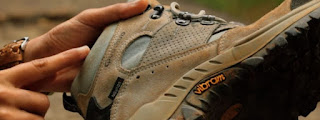
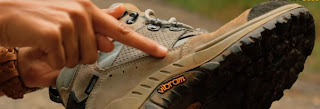
The trekking shoe has 3 main components to it's construction : The upper, mid sole, and the outside sole.


1. The Upper : the upper part affects the shoe's weight, longevity and water resistance. The upper layer is also important to ensure that your feet are ventilated properly. The top section of the shoes consists mainly of two substances - Leather and synthetic. 

The best way to ensure longevity, safety and comfort are to have leather shoes. Aesthetics and waterproofing are influenced by the form of timber. But you can use synthetic leather with the same versatility as leather if you want your shoes to be a vegan option. 


2. Mid sole : "Sole is the Soul of a shoe", it is the sole that a shoe is comfortable & stable. This keeps the shoes comfortable and coats the feet. Therefore, it is difficult for a sole to shield you on rough, rocky terrain from an abrasive shock. Ethylene-vinyl acetate and polyurethane are the most popular materials you can find in your sole. 


3. Outer sole : The lug patterns of your shoes at the bottom determine your grip on mountain trekking. It facilitates your grip on mountain trekking. It facilitates your journey by gravel, trail or ground. The deeper and denser the pattern of the lug, the more it tracts your feet. 

The elevated area of the heel at the foot of your shoe, also known as the brake, reduces your chance of descending steeply. 


Some of the Best Trekking Shoes available in India :


Find below some of the best trekking shoes available in India with an average rating of most than 4 out of 5 by customers. This list has been prepared after comparing more than 54+  shoes by different brands like Solomon, Quechua, Wildcraft, Adidas, Columbia, and Woodland on different websites like Amazon, Decathlon store, Flipkart & Wildcraft stores. The price range of these trekking shoes is from Rs. 3,000/- to Rs. 13,500/- (prices may vary according to time & offers) :

1. Solomon Synthetic Quest Prime GTX mid ankle hiking shoe.

2. Forclaz Trek100 men's trekking shoe.

3. Quechua women's hiking shoes MH100- Brown.

4. Woodland men's boot - Grey.

5. Quechua Forclaz 100 mid WTP shoes for men.

6. Columbia Men's Redmond Mid waterproof hiking shoes for men.

7. Columbia women's Newton Ridge Plus Sued Leather trekking shoe.

8. Quechua men's snow hiking shoes SH520 X-Warm mid.

9. Wildcraft Hypagrip TRKNiQ X (trekking shoe for women).

10. Wildcraft Hypagrip TRKNiQ Argon 2.0 (trekking shoe for men).

11. Furo by Red Chief for men's hiking shoes. 


Myself have noticed that, trekkers are perpetually confused about which trekking shoes to buy. There are so many options in the market these days, with costs climbing as high as Rs.35,000/-. 


Most of the trekkers want to own a pair of trekking shoes, instead of getting a pair on rent. Which is why I started looking out for good trekking shoes that do not burn a hole in your pocket.


Many of my trekking friends have suggested the NH150 Trekking Hiking Shoes by Quechua, Decathlon*. Which is why I wanted to test it out. This shoe was tested on the Gidara Bugyal trek, a moderate-difficult Himalayan trek, in snow, slush and small stream-crossing. This shoe is very much budget friendly at Rs. 2500/- approx. 


Decathlon marks this as off-roading hiking shoes, rather as trekking shoe, as a result most trekkers hesitate to buy this for a Himalayan trek wondering whether it will work or not. 


This shoe was tested on 4 aspects - Grip in the shoe, Ankle support, Flexibility of the sole, and Water repellent. 


Grip in the shoe - 

the sole is "cross contact sole" , this similar patern as in high end models of Decathlon shoes and many other shoes which cost Rs.5000 - Rs.7000/- . This worked perfectly well on the Gidara Bugyal Trek. 


Ankle support - 

in this respect many people doubt this shoe, but are not to be blamed because it has a very soft ankle support & people think that it needs to be more firm and padded to actually support your ankles. But this is not true, as it is the length of the ankle support that matters , this shoe with mid ankle length works perfectly well. 


Flexibility & cushioning of the sole -

this sole is extremely flexible, it worked great when on boulders when feet are in awkward positions. You feel an extension of your feet. 


Water repellent or waterproofing of the shoe - 

It performed well when walking in water as well, also while walking on shin deep snow it came out without getting wet. Parts on the top surface got bit wet but dried up pretty quick. The in-sole and socks did not get wet. 


At the end of the day if you ask me , I would definitely say yes, go for this shoe . Most people think the more you spend, the higher the quality of the shoe., if you ask me it is an endless journey. I always believe in - "SPEND LESS AND TREK MORE". You can even use this shoe even for tougher Himalayan treks like - Buran Ghati, Kedarkantha, Deoria Tal, Rupin pass, Goechala, and similar. This shoe will easily  last you on 6 - 7 Himalayan treks of this calibre. 


If you have used this shoe for yourself, would love to know your experience of it, drop in your comment below, even for any doubts write to me at partha63.pd@gmail.com .  


Do FOLLOW my BLOG PAGE for latest updates on FITNESS.


- My Facebook Page :       Fit & Fun After 50

- My YouTube channel :       fitnessfun50

- Follow me on TWITTER :  @ParthaD44328477

- Instagram :                         fitnessfun.50

- e-mail :                               partha63.pd@gmail.com


*This is not a sponsored Blog.

Sunday, October 17, 2021

HOW TREKKING CAN TRANSFORM YOU .


HOW TREKKING CAN TRANSFORM YOU.


In my this blog, will be shedding light on how trekking can transform you - your MIND, BODY and SPIRIT for Lifelong.


For all those who are into trekking, it is much beyond than just an activity. We who are hard core trekking enthusiasts have at least one strong vision - EVERYONE MUST TREK, because especially myself has seen how "Trekking Transforms Lives".


Though it looks an ordinary statement, but it has an enormous implication.


Just a small rewind to about 31 years ago when I first started trekking on off beat trails in the hills and jungles of Tripura & Meghalaya, two small North-Eastern states of India. Trekking then almost did not exist in the country as an activity. Yes, there were pilgrimage travels or "Tirth Yatras" as called in India, to holy places in the Himalays - like Kedarnath, Badrinath, Amarnath, Panch Kedars, Kailash- Mansarovar and few more, where the devotees would hike to reach the shrines, but then those routs were pretty tough, not as convenient as now. It was only the hard core veterans who trekked. There  was no information about trekking, there was no talk about safety, preparedness, nobody knew much about trekking trails, neither understood the potential and benefit of trekking.


We enthusiast trekkers want everyone to trek - regular people like us, our parents, young ones, students, everyone. I have seen trekkers come back and tell us that their lives have changed after a trek, their perspective and understanding about life has changed. 


Especially when you trek in the Himalayas, stand in front of a majestic mountain, your that feeling of being someone great in your society, among friends, or in professional life, your vanity, pride just vanishes in seconds, then you understand that we are just a spec on this planet. Considering the formation of the Himalayas which began 50 million years ago and continues today, we are just "Pop-ups", imagine how many like us have come and gone before us and will, after us, we then realise by our coming & going this Earth gets least effected. 


The majestic Himalayas by  it's grandeur, flora & fauna and mysterious nature makes us realise the nature of life that we are as created by that Eternal Source, our possibilities are limitless as compared to any other life on this planet, provided we realise our capabilities and move in that direction. 


During a trek you will realise that, how in most part of our active life we are too much engrossed in building career, family, fame, position, greed for excess wealth, status....... as if we are immortals, in this process have we ever thought how much time we really spent on ourselves, what have we done to attain that state of self realisation and be really in a state of joyful and contributed to other living beings and mother nature. 


Human body is a treasure per se and it should be nurtured as nature does to humans. Being passionate about trekking and fitness, I believe in the power of development of soul, body and mind through trekking. 


Let me narrate a small incident that myself witnessed during one of my treks in the Himalayas. It was September of 2003, as always was on a solo trek to the Tritiya (third) Kedar of the Panch-Kedars (5 Kedar Temples) "Tunganath - Chandrashila" in the Norther Indian state of Uttarakhand, in Garhwal district.  Tunganath Temple situated at an altitude of 3680 meters (12070 ft.), is the one of the highest Shiva temple located at second highest altitude in the world, after Muktinath (3710 meters) in Nepal. 


                                                              Tunganath Temple


Situated at an elevation of  about 3,690 metres, Chandrashila summit provides views of the Himalayas, including Nandadevi, Trishul, Kedar Peak, Bandarpunch & Choukhamba peaks. It was early morning, dawn was just breaking, and I had just reached the summit - Chandrashila, as I came up saw the magical sunrise happening in the mountains. One by one few other trekkers from Bangalore with whom I had met during my trek to Tunganath also came up, and more or less when every one were up at the summit I gave myself some time to experience the beautiful sunrise, these are some of the rare moments of life time, which we miss in our day to day city life. 


                                                               Chandrashila Summit


As myself was engrossed by the grandeur of nature, heard a noise as if someone was trying to climb up, bit surprised as nearly all those who trekked with me to Tunganath were already up at the summit, during those days this was not so much known trekking destination and only few trekkers would venture to these destinations. I just went to the edge and looked down, was immensely  astonished to find that  Mr. Karthik, one of the trekkers who was member of that group whom I had met and found him to be physically unfit for this trek & was suffering from mountain sickness and was advised to rest at  the Tunganath camp was struggling towards the Chandrashila summit. He was about 20 meters below the summit was laboriously making his way towards the submit. As he reached the summit he stood in front of  the shrine at the top of Chandrashila with folded hands with tears rolling down his eyes, he started weeping, then the weep became a sob and was crying uncontrollably. One of his fellow trekker went up to and gave him a warm hug to calm him down.
 

Later in the evening when I went back to the base camp, I asked Mr Karthik (I am still in contact with him) his story, his burst of emotions had much deeper past, he was in his mid 30's , he was recently promoted as a project manager in a renowned IT company at Bangalore, he was very surprised by this promotion as he was not at all expecting it. He was one of those very soft spoken, kept to the background but did his routine work very religiously and go home. He was someone who was under confident and lacked self-belief . This trek had a profound impact on Mr. Karthik, he discovered on his climb to Chandrashila summit that he had that inner resolve and inner strength which went much beyond himself. He realised that he could overcome difficulties that he did not know he was capable of, he was filled-up with positivity which no amount of pep talk or counselling could do, and this positivity stayed  with him for long, when he went home he was a changed person and this change was permanent. This is not a stray incident, I hear many such incidents from many of my trekking friends from all over the world.


The above incident reconfirms what scientists have been telling us for a very long time, that the mountains or trekking has a very big impact on our body, mind and spirit, a much bigger impact than what we ever imagined it to be. 


When we are on the mountains and we are trekking, we have nothing to distract us, it is just us and the nature. We are constantly surrounded by the positive imaginary of the nature, we are seeing mountains, valleys, snow, grass lands, meadows with herd of sheep grazing, forests, seeing sun rise, sun sets, moon rise , moon set, night sky filled with bright stars, this constant positive imaginary of nature surrounds us so much so that it removes any negative thoughts from our mind, forget negative thoughts it removes any thoughts from our mind. We even forget what day and time it is. 


This has a miraculous impact on our minds. It has a calming effect, the buzz that is in our mind starts to move and fade, the nerves try to sooth, we start feeling happier, we become lighter and laughter and smile flows immediately, there is a spring in our step. There is a science behind it, and the science that got to do with  hormones. During a trek we get a big boost of Endorphins - the hormone that makes us feel happy, we get a large boost of Serotonin - the hormone that relaxes us, there is also the push of Dopamine - the hormone that triggers our reward sense, makes us feel accomplished. Also, lots of Oxytocin gets pushed into us, these helps us to be in a feeling of tranquility, feeling of love , all these hormones put together makes us feel happy, collected and energised. 


Now, it is known to us that nature has a major impact on our mental state, this has been known to us for tens, hundreds and thousands of years, yet in the modern world we seem to be ignoring this. Forget about mental strength, trekking has a big impact on our body, one hour of trek can burn about 450-550 calories, imagine what a 5-6 hours of trekking can do, this is usually a trekking time in a day. 


Trekking uphill is almost like climbing stairs or doing lunges, our glutes, quads, hamstrings, calf muscles are working over and over and getting stronger. A trek is not on an even surface or on a road, our body is always making micro adjustments every second , every minute, no two steps are alike. These micro adjustments are done by our abs and lower back muscles, so, this is nothing but strengthening our core. If you are carrying a backpack it is an additional weight training. By strengthening of our core, scientist have told long ago that, if you want a longer and fitter body you need to have a strong core, because a core gives us a sense of balance and stability, and that is what the micro adjustments are doing, it is giving us a balance and stability as we are trekking.


How many years of trekking experience you may have , has little to do as every new trek will bring in new challenges and varied level of  difficulties, so one has to be always prepared before every trek.


The biggest impact of trekking is on the human spirit. Human spirit is nothing but the human nature that we are, the person we are, the person we become. Trekking repairs relationships together, making good friends, we become better human beings. Now, on a trek there is nothing to distract us, there are no electronic device, there are non who will interrupt your thoughts, the conversations you have with your trek mates are very honest, free and frank and free flowing. We have a common venture, sharing same tents, we are pitching our tents, rolling our sleeping bags, and a common adventure to navigate. This common adventure and free flowing conversations helps in forming  deep bonds with our trek mates. We allow ourselves to open up. During a trek people talk more intimately with their trek mates whom they are with for 5 or 7 days, than they did with friends of many years.


Now, in this modern world when acquaintances are fleeting and friendships are fickle, the chance to bond with somebody for life time can not be ignored. 


Treks help those who are struggling in life, facing difficulties, because a trek is almost like a journey of difficulties which mirrors it, in a trek we are always battling adventure which we are overcoming difficulties,  difficulties of terrain, difficulties of altitude, weather, even our own physicality.  When we overcome these, we become more resilient, we are able to tackle life's problems easily. It is like - "If I can do this trek, I can do anything in life". 


A trek makes us creative and think more clearly, you will get more innovative ideas during a trek, than sitting in your office. Have seen people change their profession, their careers, dive into something new after they finished their trek. Trek has a profound impact on people, it makes us overcome challenges, overcome difficulties, it helps us to take on knew things, makes us more focused, creative, sensitive, it makes us healthy, our body gets better, making a huge impact on our MIND, BODY & SPIRIT, that we can not ignore it.


If you have not yet started TREKKING, then perhaps you MUST.


IMPORTANT : 

💪 It is always advisable to consult your doctor / a qualified instructor before starting any new exercise routine. 

Your valued comments, questions & suggestions in the comment section below, about this blog will be highly appreciated.


Do FOLLOW my BLOG PAGE for latest updates on FITNESS.


- My Facebook Page :        @fitnessfun50

- My YouTube channel :       fitnessfun50

- Follow me on TWITTER :  @ParthaD44328477

- Instagram :                         fitnessfun.50

- e-mail :                               partha63.pd@gmail.com